The Mid Cornwall Moors has been declared the 14th site in the King’s Series of National Nature Reserves (NNRs), bringing together over 1,100 hectares of moorland, more than doubling the area of land managed for nature in this historic landscape.
Forming a patchwork of semi-natural habitats, including heath, moorland, mire and woodland, the Mid Cornwall Moors, creates a network across Cornwall’s distinctive ‘clay country’. Located in the heartlands of central Cornwall, with St Austell to the south, Bodmin to the east, and St Columb Major to the north, the area serves a community living in one of Cornwall’s most rurally deprived regions. The declaration aims to improve access to nature, create opportunities for learning and recreation, and help support the local economy through sustainable farming.
The reserve is home to rare habitats and species including wet ‘willow carr’ woodland, with the rare willow tit, and raised bogs with sphagnum moss, lesser butterfly orchid, royal fern and the carnivorous round-leaved sundew. Cornish moneywort, which is unique to Cornwall’s tin streaming landscape, also thrives.
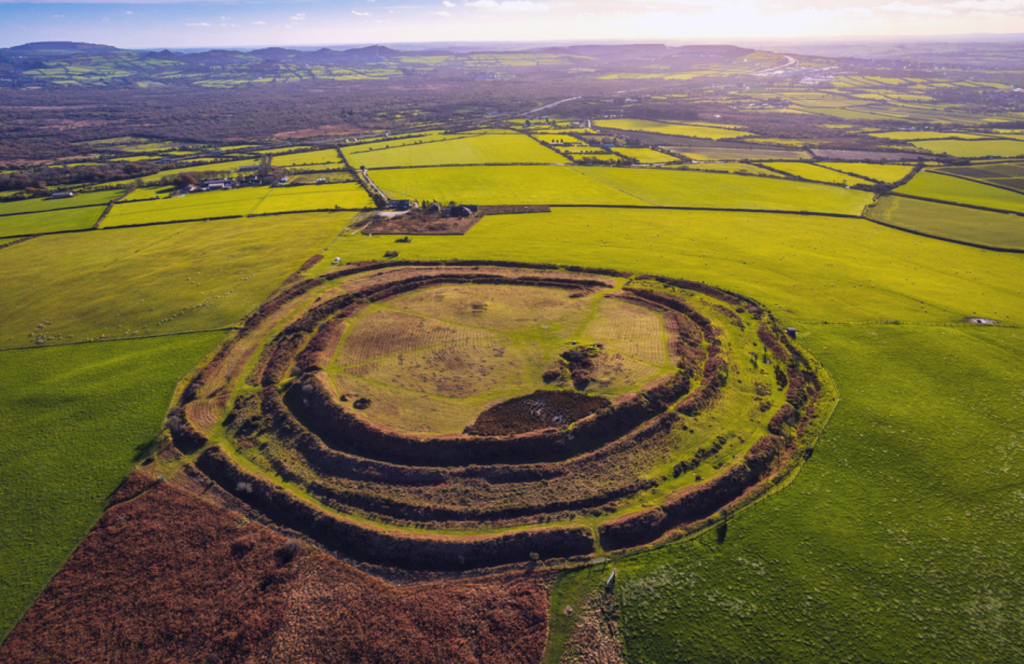
This declaration celebrates places that have shaped Cornwall’s history, spanning prehistoric tin streaming, Iron Age hillforts and ancient woodland. Iconic sites including Helman Tor, the Iron Age hillfort of Castle an Dinas, and Goss Moor, known locally as King Arthur’s favourite hunting ground, all form part of this nationally significant landscape.
The reserve combines land managed for nature and heritage by Natural England, Cornwall Wildlife Trust, Cornwall Heritage Trust, the Gaia Trust and Imerys. It also includes land designated as the Mid Cornwall Moors Site of Special Scientific Interest (SSSI), which is land of exceptional ecological importance.
Tony Juniper CBE, Chair of Natural England, said: “The declaration of the Mid Cornwall Moors as a National Nature Reserve is a powerful recognition of the landscape’s extraordinary natural and cultural heritage.
“By bringing these landscapes together under one reserve, we are not only helping to restore precious habitats but also creating more opportunities for people to connect with nature, history and the unique character of this part of Cornwall for generations to come.”
For more news like this, click here.